
Swimming in Sewage: Washington, DC, Faces Potomac River Crisis After Massive Sewage Spill
On January 19, 2026, a catastrophic infrastructure failure struck the nation’s capital when a 72-inch-diameter section of the Potomac Interceptor sewer line collapsed near Clara Barton Parkway in Montgomery County, Maryland.[1] The rupture released an estimated 240 to 300 million gallons of untreated wastewater into the Potomac River, making it one of the largest sewage spills in U.S. history.[2]
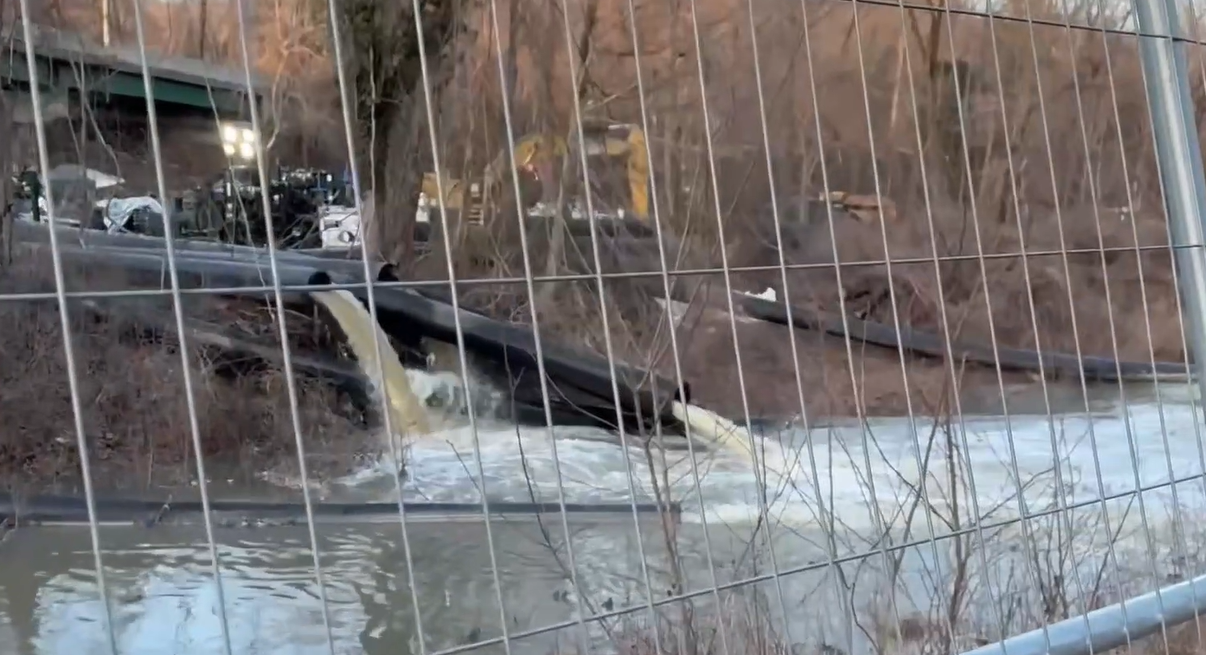
The Potomac Interceptor, built in the early 1960s, carries approximately 60 million gallons of wastewater daily from across the region, as far as Dulles Airport, to the Blue Plains Advanced Wastewater Treatment Plant in Southwest Washington.[3][4] This aging infrastructure had been undergoing rehabilitation since September 2025, when the collapse occurred, exposing the vulnerability of decades-old pipes serving the metropolitan area.
Within five days, DC Water implemented an emergency bypass system, rerouting sewage through the C&O Canal and back into the undamaged portion of the interceptor downstream.1 Initial testing revealed E. coli levels 10,000 times above recreational water quality limits.2 By late January, authorities issued recreational advisories across the region, including warnings from Montgomery County and Virginia authorities.2
This disaster underscores the critical need for infrastructure investment in aging water systems serving major metropolitan areas and highlights the cascading public health and environmental consequences when essential utilities fail.
Witness the alarming reality of Washington, DC’s sewage crisis as David Ehrhardt, CEO of Castalia Advisors, sheds light on the shocking scenes of untreated wastewater spilling into the C&O Canal. Watch the video on Castalia’s YouTube channel here.
[1] 2026 Potomac River sewage spill – Wikipedia
[2] The latest updates from the Potomac Interceptor Sewage Spill — Potomac Conservancy
[3] ‘One of the largest sewage spills in history’ worries DC water watchdog group