
Capital cities in the shit—literally
Wellington, New Zealand, and Washington, D.C. – two capital cities with nothing except a first letter in common – now share something else: massive sewage spills!
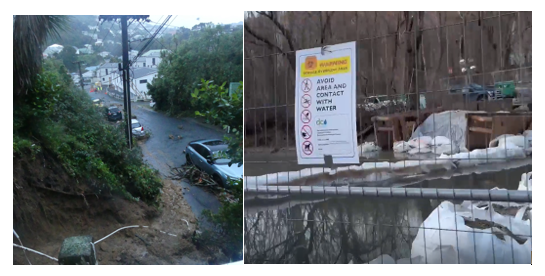
In Wellington, a severe storm triggered a cascading failure at the Moa Point wastewater treatment plant.[1] Sewage backed up through the system, flooding critical machinery, tripping electrical systems, and knocking out control equipment.[2] The result was around 70 million liters of raw, untreated sewage discharging into coastal waters from early February 2026, forcing “no-swim” advisories across popular beaches like Lyall Bay and the South Coast.2[3] The discharge continued for more than two weeks, flowing into the ocean daily. [4]
One of the most alarming parts of the crisis came when a major storm hit Wellington while sewage discharge was ongoing, with heavy swells and strong winds along the south coast. Residents reported that sewage-contaminated seawater was being whipped into sea spray and blown inland onto homes, streets, and coastal properties. [5]
What went wrong? Parts of Wellington still rely on 120-year-old, partially interconnected systems, where stormwater and sewage can overwhelm pipes during heavy rainfall. As the network reached capacity, pressure built up in the sewer lines.[6] When sewage cannot move through the system fast enough, it can backflow through the lowest available outlets, including household drains, toilets, and showers. Officials warned repairs could take months.3
Half a world away, Washington, D.C. experienced a crisis of its own, though equally revealing. In January 2026, a major sewer line failure released hundreds of millions of gallons of untreated sewage into the Potomac River.[7] The environmental and public health impacts were immediate, with elevated bacteria levels and warnings to avoid contact with the water.7 As in Wellington, the causes were not mysterious: aging infrastructure, deferred maintenance, and systems under strain.
The parallels are striking. In both cities, critical systems were allowed to deteriorate largely out of public view. Sewer networks—buried, invisible, and politically unglamorous—rarely attract sustained funding until they fail. Yet when they do, the consequences are immediate, visible, and costly.
These events highlight a broader lesson: infrastructure resilience depends less on emergency response and more on consistent, long-term investment. Deferred maintenance does not eliminate costs; it compounds them. Climate pressures, including more intense storms, are only accelerating the risks.
At Castalia, we see these dynamics up close. With offices in both Wellington and Washington, D.C., and experience advising governments worldwide on water and infrastructure systems, the pattern is familiar. When essential assets are neglected, risks accumulate quietly until they surface dramatically. The takeaway is clear: strong institutions, sustained investment, and proactive management are not optional. They are the foundation of resilient cities.
Read more about the Washington, DC sewage crisis here.
Alan Tennyson, CC BY-SA 4.0
[1] Sewage flood cripples Wellington wastewater plant, forces beach closures
[2] Wellington Mayor Andrew Little says he will bring ‘catastrophic’ sewage failure to PM’s attention | RNZ News
[3] Horror in Wellington as millions of litres of untreated sewage flow into the sea | New Zealand | The Guardian
[4] Wellington’s Sewage Crisis: Millions of Litres of Raw Waste Pour into Ocean After Treatment Plant Collapse – EnviroLink Network
[5] ‘It’s a catastrophe’: Wellington rages as millions of litres of raw sewage pour into ocean | New Zealand | The Guardian
[7] The latest updates from the Potomac Interceptor Sewage Spill — Potomac Conservancy